


🌍 Global Political Economy in Focus: War, Power, and Economic Uncertainty
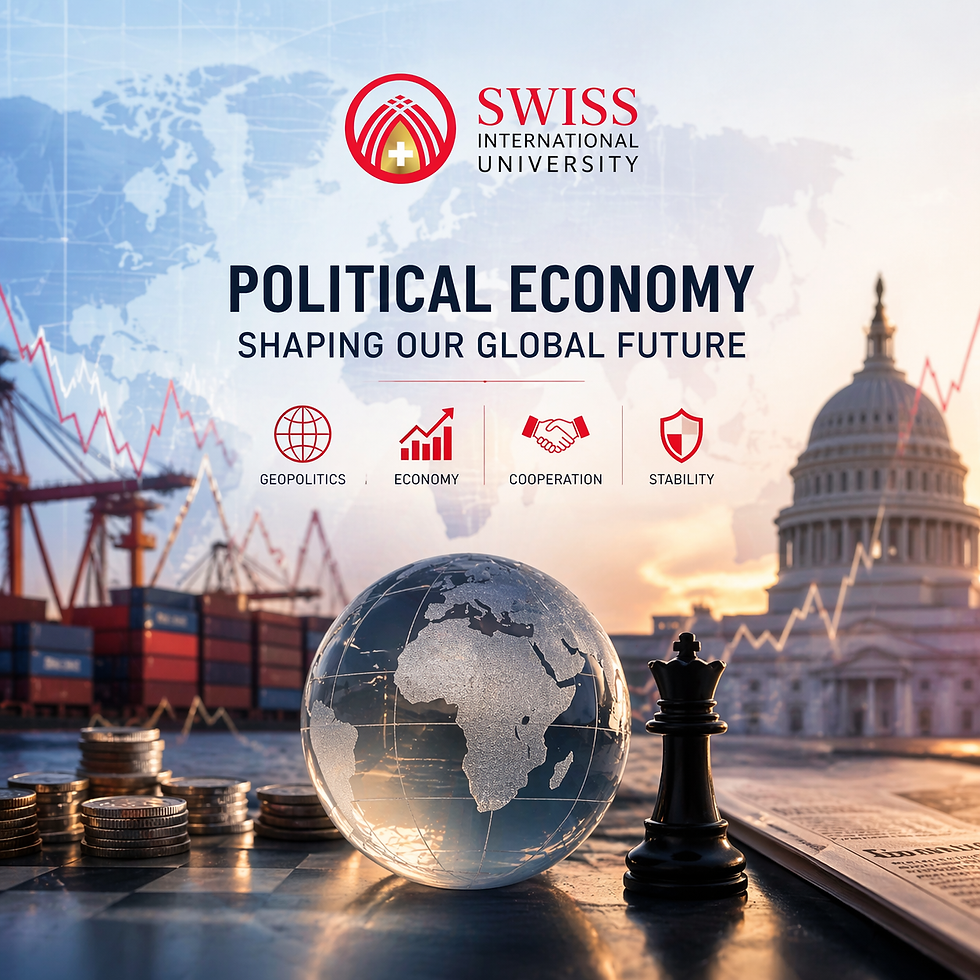
Today’s global headlines highlight a defining reality of 2026: politics is once again driving the global economy.
Across multiple regions, geopolitical tensions are no longer separate from economic performance—they are actively reshaping growth, trade, and financial stability.
One of the most critical developments comes from escalating tensions in the Middle East. Despite temporary ceasefire extensions, uncertainty remains high, with disruptions to key trade routes and energy supplies already pushing oil prices higher and affecting global supply chains.
At the same time, Europe is navigating its own political-economic challenges, including major financial decisions such as a proposed €90 billion support package linked to regional stability and energy infrastructure. These decisions underline how political alignment and economic policy are now deeply interconnected.
📉 Global Impact: Slower Growth, Higher Risk
According to the latest international financial discussions, the global economy is entering a more fragile phase:
Global growth is projected to slow to around 3.1% in 2026, below historical averages
Ongoing conflict could push growth even lower toward 2.5% in a worst-case scenario
Rising energy prices and disrupted trade are increasing inflation and fiscal pressure worldwide
Economic leaders at recent global meetings have openly acknowledged a growing limitation: financial tools alone cannot stabilize the economy without political solutions.
🌐 A Shift Toward Geoeconomics
What we are witnessing is the rise of “geoeconomics”—where nations use economic policy, trade, energy, and finance as strategic tools of power.
Key trends shaping today’s political economy include:
Energy supply becoming a geopolitical weapon
Trade routes (like key maritime corridors) influencing global markets
Governments prioritizing national resilience over globalization
Declining global cooperation in aid and economic coordination
🎓 Why This Matters for Higher Education
In this environment, education is no longer just academic—it is strategic.
Institutions must prepare future leaders to understand:
Global political risk
Economic policy under uncertainty
International finance and crisis management
At Swiss International University (SIU), with campuses in Zurich, Dubai, Bishkek, Luzern, Riga, and London, we see this transformation clearly. Our mission is to equip students with the analytical and strategic skills needed to navigate this new era of political economy and global complexity.
📊 Conclusion
The message from today’s global developments is clear:
The future of the economy will be shaped not only by markets—but by political decisions, conflicts, and global cooperation.
Understanding this intersection is no longer optional—it is essential.
🔗 Learn more:


Comments